
Email Address
jaagochempharma@gmail.com
Phone Number
(+91) 63049 31787
Our Location
SP Nagar, Hyderabad - 500018
jaagochempharma@gmail.com
(+91) 63049 31787
SP Nagar, Hyderabad - 500018
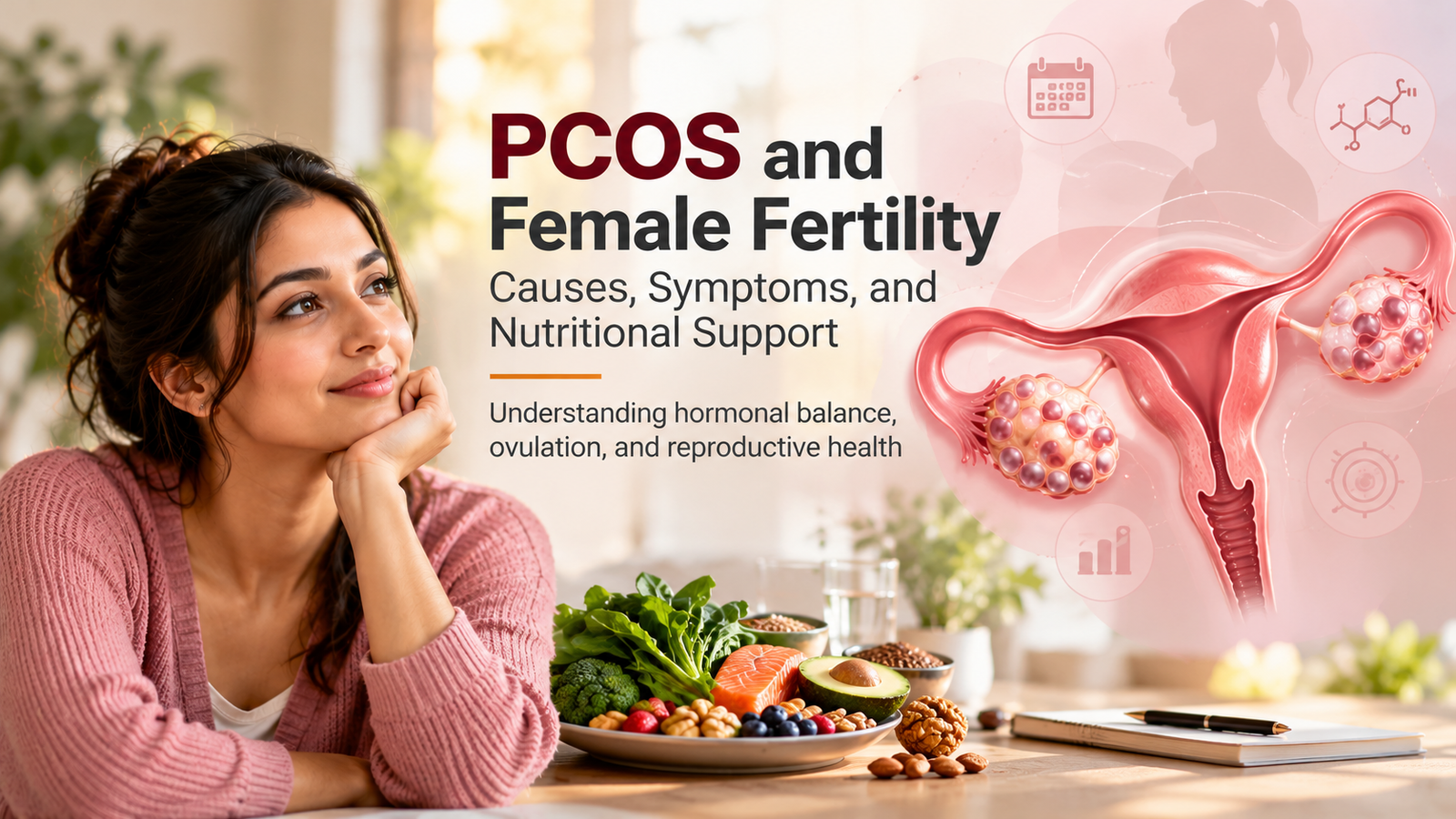
Understanding hormonal imbalance, ovulation, and reproductive health in women with PCOS
Polycystic Ovary Syndrome (PCOS) is a common hormonal and metabolic condition that affects women of reproductive age. It can influence menstrual cycles, ovulation, insulin activity, and fertility. Although PCOS is a common cause of ovulatory infertility, a diagnosis does not mean pregnancy is impossible. Many women with PCOS conceive naturally or with appropriate medical support.
Understanding the causes and symptoms of PCOS, the role of hormones and insulin resistance, and the importance of nutrition can help women make informed decisions about their reproductive health.
PCOS is a complex condition involving hormonal changes and, in some women, metabolic disturbances. Common features include:
Not every woman with PCOS experiences all these features. Importantly, the presence of ovarian cysts is not necessary for a PCOS diagnosis. Diagnosis generally involves assessing symptoms, hormone levels, and other possible causes under medical guidance.
Ovulation occurs when an ovary releases a mature egg. For this process to happen regularly, the brain and ovaries coordinate through a series of hormonal signals.
Two important hormones are involved:
Follicle-Stimulating Hormone (FSH): Supports the growth and development of ovarian follicles, which contain developing eggs.
Luteinizing Hormone (LH): Helps regulate ovarian hormone production and triggers ovulation through a mid-cycle hormonal surge.
In some women with PCOS, altered hormonal signalling and elevated androgen activity can interfere with normal follicular development. Follicles may not mature or release an egg regularly, making the timing of conception less predictable.
Irregular ovulation can reduce the number of opportunities for natural conception. However, effective medical treatments are available, and a healthcare professional can help determine the most appropriate approach.
Insulin is a hormone that helps glucose move from the bloodstream into cells, where it is used for energy.
Insulin resistance occurs when the body’s cells respond less effectively to insulin. The pancreas may compensate by producing more insulin to help maintain blood glucose levels.
In some women with PCOS, higher insulin levels can stimulate the ovaries to produce more androgens and reduce the production of sex hormone-binding globulin (SHBG). This may increase the amount of biologically active androgen in circulation and contribute to irregular ovulation.
Insulin resistance can also be associated with metabolic concerns. However, not every woman with PCOS has insulin resistance, and PCOS can affect women at any body weight.
PCOS symptoms vary from person to person and may change over time. Common signs include:
Having one or more symptoms does not automatically mean you have PCOS. A gynaecologist or other qualified healthcare professional can evaluate symptoms and recommend appropriate testing.
Nutrition can play an important role in supporting general health and metabolic well-being in women with PCOS. Some nutrients and supplements have been studied for their potential effects on insulin activity, hormonal function, and reproductive outcomes. However, evidence varies, and supplements should not replace appropriate medical care.
Myo-inositol and D-chiro-inositol are compounds involved in cellular signalling pathways, including pathways related to insulin activity. They have been studied in women with PCOS for potential effects on metabolic markers, menstrual regularity, and ovulatory function.
Some studies report possible benefits, but the overall evidence remains uncertain. The optimal formulation and ratio of these compounds are not firmly established, and improvements in pregnancy or live-birth rates have not been conclusively demonstrated.
Vitamin D contributes to normal bone health, calcium regulation, muscle function, and immune function. Vitamin D deficiency can occur in women with PCOS, although it is not unique to the condition.
Correcting a confirmed deficiency is important for general health. However, vitamin D supplementation has not been conclusively shown to improve fertility in every woman with PCOS. A healthcare professional can advise whether testing or supplementation is appropriate.
Chromium is a trace mineral involved in macronutrient metabolism. Its supplementation has been investigated for potential effects on insulin-related markers and other outcomes in women with PCOS.
The evidence remains limited and inconsistent, and clinically meaningful benefits for ovulation or pregnancy outcomes have not been established. Chromium supplementation should be considered only after discussing individual needs, possible interactions, and safety with a healthcare professional.
Fenugreek contains plant-derived compounds that have been studied for possible metabolic effects. However, evidence specifically supporting its use to improve ovulation, fertility, or pregnancy outcomes in women with PCOS remains insufficient.
Fenugreek may also interact with certain medicines, including those that lower blood glucose. It should not be used as a substitute for established PCOS treatment.
A sustainable, balanced eating pattern can support overall metabolic health. Rather than relying on a single food or restrictive diet, women with PCOS may benefit from an eating pattern that includes:
There is no single diet that works best for every woman with PCOS. A registered dietitian or qualified healthcare professional can help tailor dietary choices to personal preferences, nutritional needs, and metabolic health.
PCOS management is individualised and may include lifestyle measures, treatment of specific symptoms, and fertility care when pregnancy is desired.
Regular physical activity: Exercise can support cardiovascular health, insulin sensitivity, mood, and overall wellbeing.
Adequate sleep: Consistent, sufficient sleep supports general metabolic and hormonal health.
Stress management: Relaxation practices, social support, and appropriate mental health care may help manage the emotional burden associated with PCOS.
Medical evaluation: A healthcare professional can assess menstrual irregularity, metabolic risk factors, and other possible causes of symptoms.
Fertility treatment when needed: For women experiencing infertility due to irregular ovulation, evidence-based treatments are available. Depending on the individual situation, a clinician may recommend ovulation-induction medication, further fertility investigations, or other appropriate options.
Early assessment can help identify individual needs and establish a practical management plan.
Consider seeking medical advice if you experience persistently irregular or absent periods, symptoms of excess androgen activity, difficulty conceiving, or concerns about metabolic health.
Women trying to conceive should seek an assessment if they have irregular cycles rather than waiting for a prolonged period, because irregular ovulation can affect fertility planning. A healthcare professional can help identify the cause and discuss suitable treatment options.
Polycystic Ovary Syndrome is a manageable condition, and it does not automatically prevent pregnancy. Understanding the relationship between hormonal activity, insulin resistance, and ovulation can help women make informed choices about their health.
An individualised approach that combines balanced nutrition, appropriate physical activity, medical guidance, and fertility treatment when necessary can support overall wellbeing and reproductive care. Nutritional supplements may have a role in selected circumstances, but their benefits depend on the ingredients, evidence, and individual needs.
Explore reliable health information and learn more about nutritional support for reproductive wellbeing. Always consult a qualified healthcare professional before starting a supplement or fertility treatment.
Medical disclaimer: This article is intended for educational purposes only and does not replace professional medical advice, diagnosis, or treatment. Evidence for individual supplement ingredients does not establish the effectiveness of a specific product. Consult a qualified healthcare professional for personalised PCOS and fertility care.